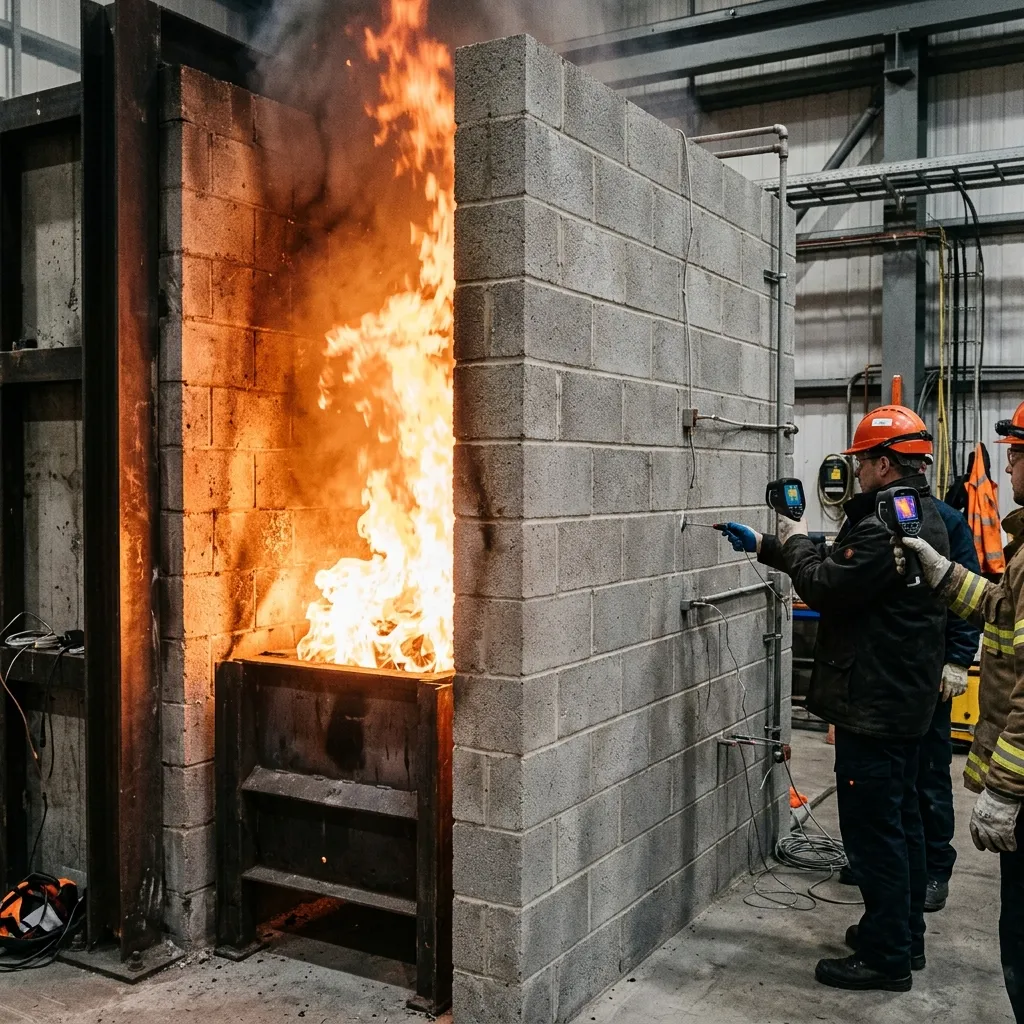
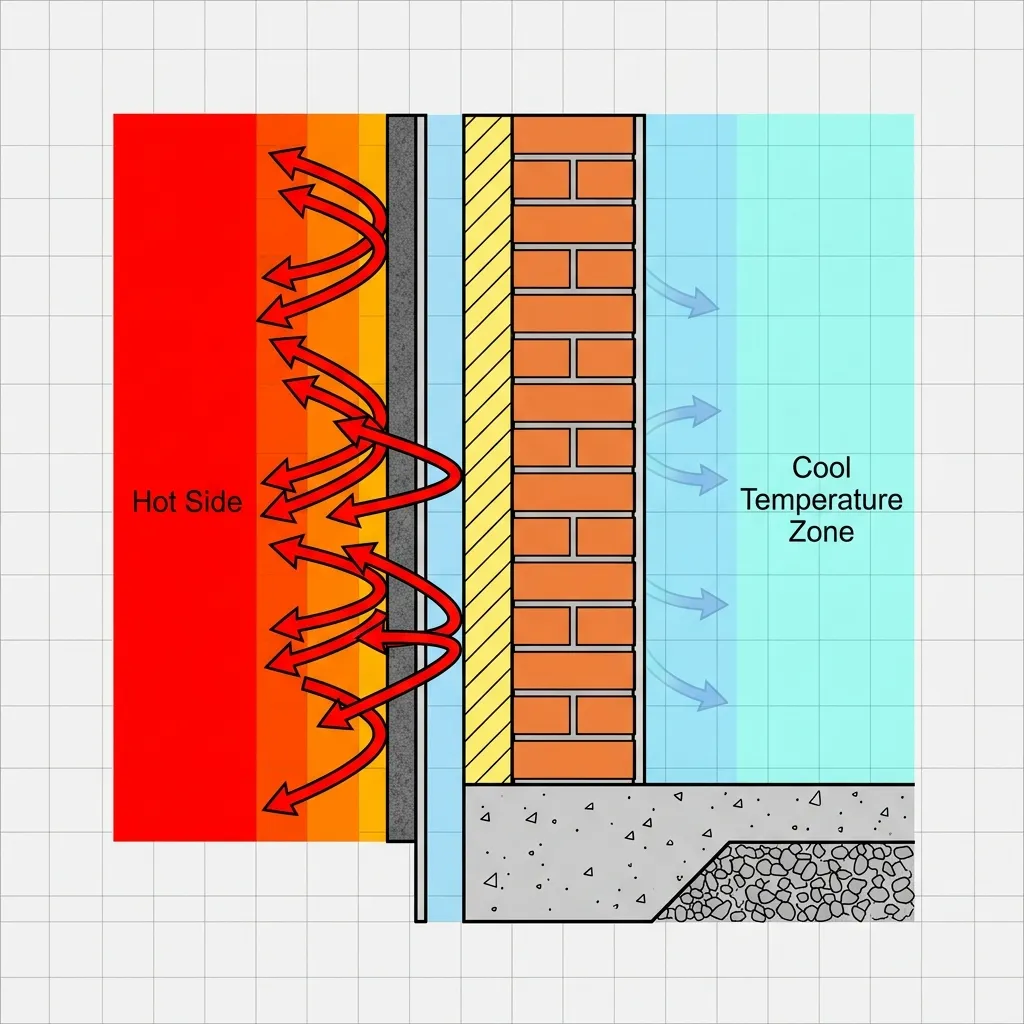
Analyzing the thermal insulation properties of AAC blocks is critical for designing comfortable residential and commercial interiors while minimizing energy consumption. Under the warm local climate conditions of states like Maharashtra, Gujarat, and Karnataka, heat gain through external walls is the largest contributor to high air conditioning loads. Autoclaved Aerated Concrete blocks address this challenge through their high thermal resistance.
1. The Science of Low Thermal Conductivity
Thermal performance is dictated by the thermal conductivity coefficient (K value), which measures the rate of heat transfer through a material. Standard red clay bricks have a K value of 0.81 Watts per meter Kelvin. This high rate allows outdoor heat to pass into building interiors. AAC blocks feature a K value ranging from 0.12 to 0.16 Watts per meter Kelvin, which is up to six times more insulating than traditional clay masonry.
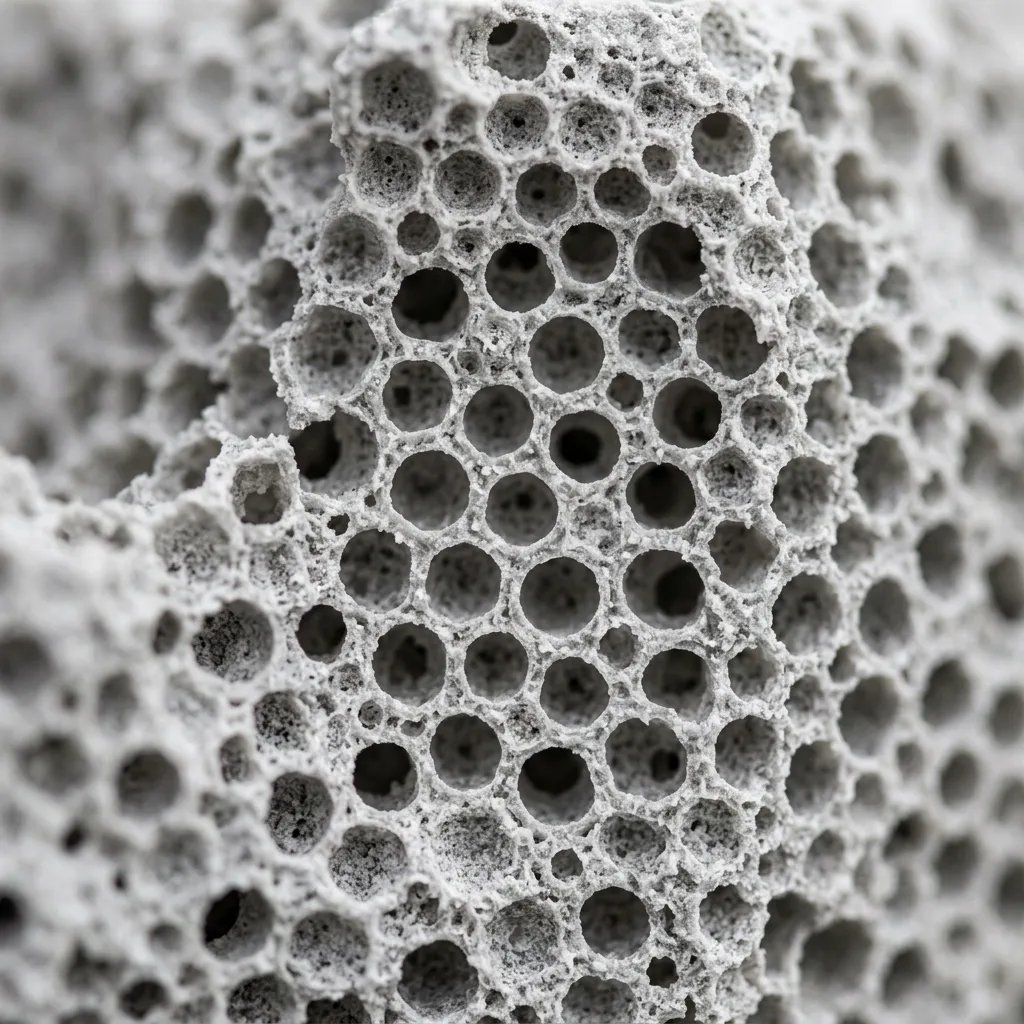
This low K value is due to the aerated structure of the concrete. Because the block consists of millions of independent microscopic air pores, heat cannot travel through the material. Air is an excellent natural insulator, and trapping it in independent cells prevents convective heat transfer.
2. Heat Transmission Coefficients (U Value) of Masonry Walls
In structural load calculations, engineers analyze the overall heat transmission coefficient (U value) of the wall assembly. A standard external wall built with 230mm thick red clay bricks and cement plaster has a U value of approximately 2.45 Watts per square meter Kelvin. Switching to a wall built with 200mm thick Balaji AAC blocks reduces the U value to 0.65 Watts per square meter Kelvin. This represents a seventy percent reduction in heat transmission through the building envelope.
3. Operational Savings: Lower HVAC CAPEX and OPEX
By preventing outdoor heat from entering, aerated concrete walls maintain cooler interior spaces. For commercial developers, this thermal efficiency allows engineers to design smaller HVAC air conditioning systems, saving upfront capital costs. Over the building lifespan, occupants save 25 to 30 percent on monthly electricity bills, providing significant operational cost savings.
Conclusion: The Smart Building Envelope
The thermal insulation properties of AAC blocks make them a vital component for building energy efficient envelopes. Selecting lightweight concrete block walls optimizes thermal comfort and lowers energy usage. Balaji Construction Machines designs and manufactures autoclaved plant equipment to produce blocks that consistently deliver these high performance thermal properties.
B2B Turnkey Setup Solutions Across Maharashtra & India
As a leading engineering company based in Satara, Maharashtra, Balaji Construction Machines and Spares delivers automated autoclaved aerated concrete manufacturing plants nationwide. We specialize in layout engineering, site commissioning, and operator training for customers in major industrial zones around Mumbai, Pune, Nagpur, Nashik, and Aurangabad.
Our installation reach covers key construction markets across Indian states like Gujarat, Madhya Pradesh, Karnataka, Telangana, Andhra Pradesh, and Tamil Nadu. Whether you are running a setup cost estimation for a new factory, looking up detailed machinery specifications, or interested in starting a sustainable B2B business, we provide complete engineering support. Contact our sales team to schedule a technical consultation at your site.