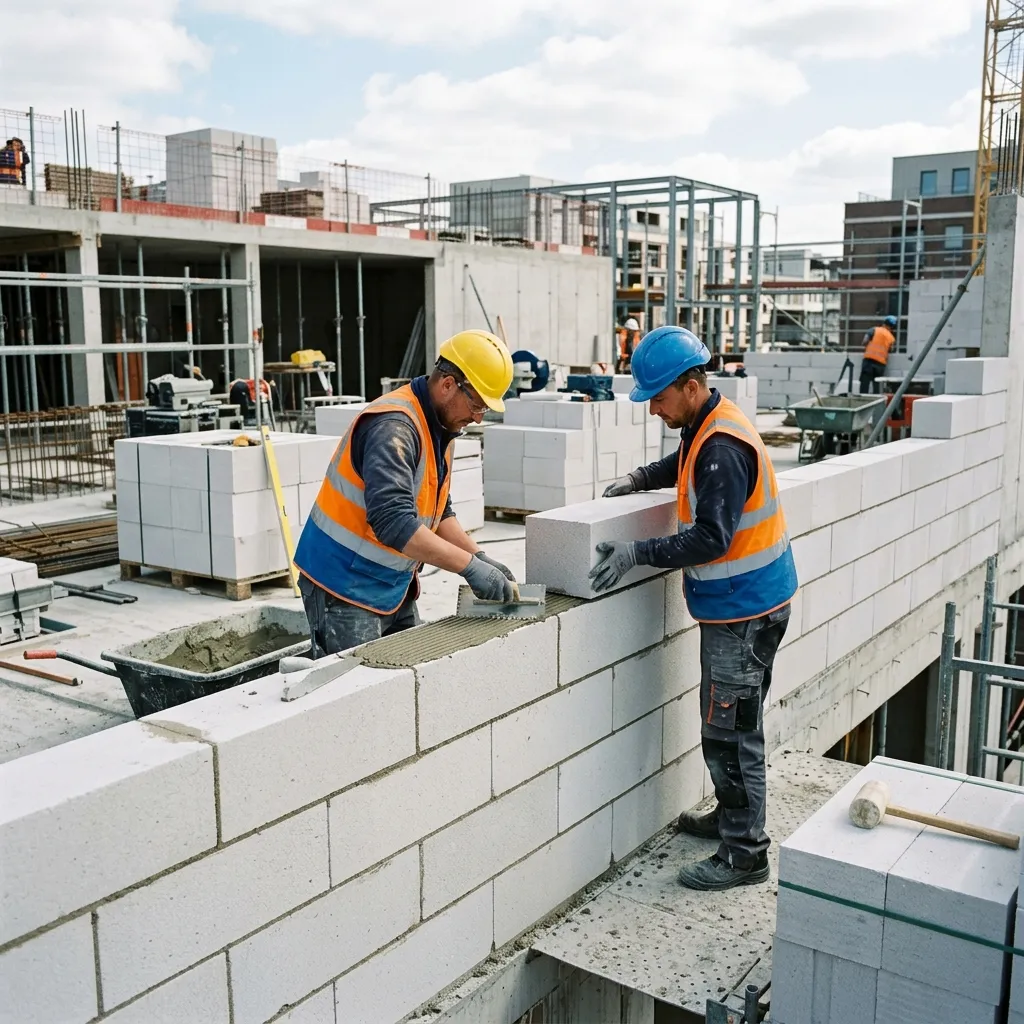
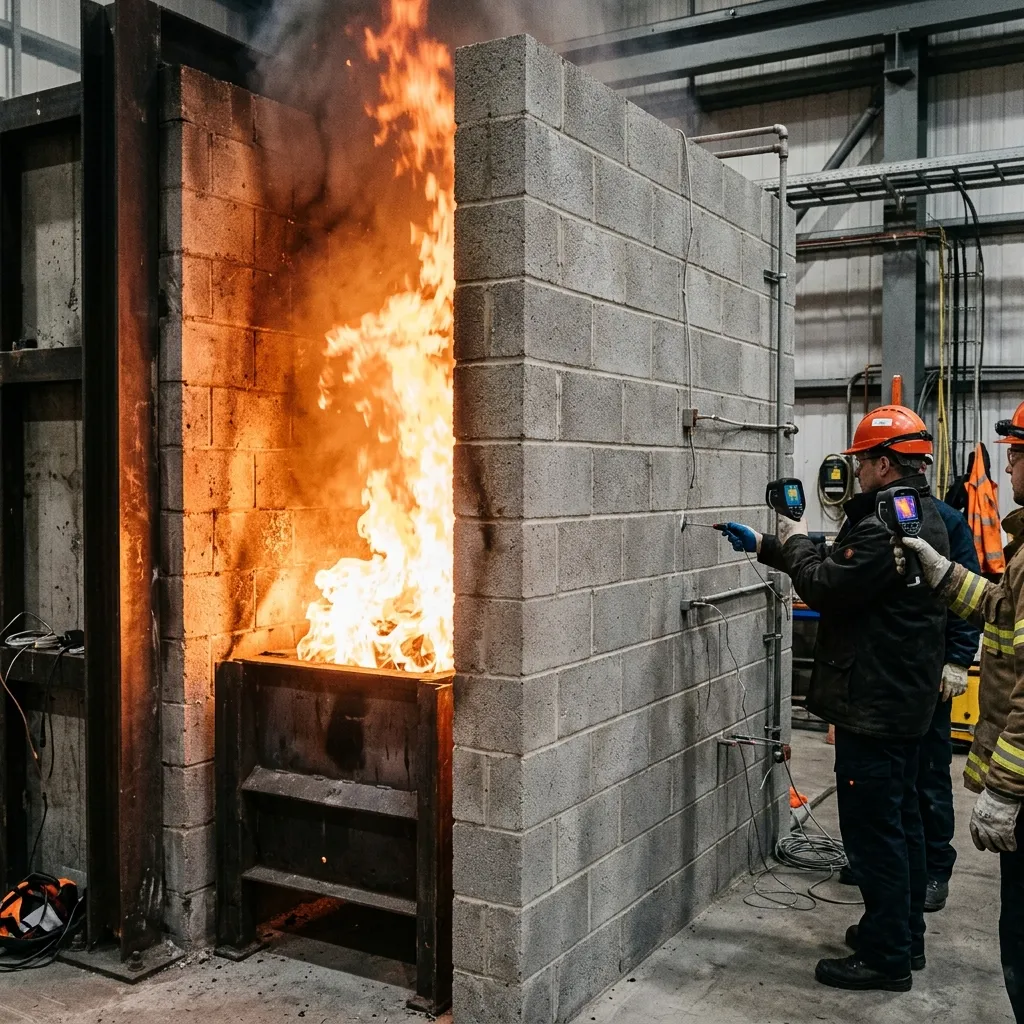
Choosing fire resistant wall materials is one of the most critical design decisions in modern architecture, directly impacting occupant safety and building compliance. In high density urban environments, building codes require firewall barriers to isolate different sections of a structure, preventing flames from spreading. Autoclaved Aerated Concrete blocks have emerged as one of the most effective materials for fire barrier applications.
1. Non Combustible Material Composition
Unlike organic wall claddings or composite materials, AAC is an inorganic mineral concrete. The material is manufactured using silica, quicklime, cement, gypsum, and water, with no carbonaceous or combustible elements. Because of this inorganic composition, aerated concrete carries a Class A1 fire rating, representing the highest possible standard for fire safety.
The melting point of autoclaved concrete is above 1,200 degrees Celsius, which is far higher than typical temperatures reached during a standard building fire. Even under extreme heating, the material does not burn, support combustion, or warp.
2. Fire Resistance Ratings (Up to 4 Hours)
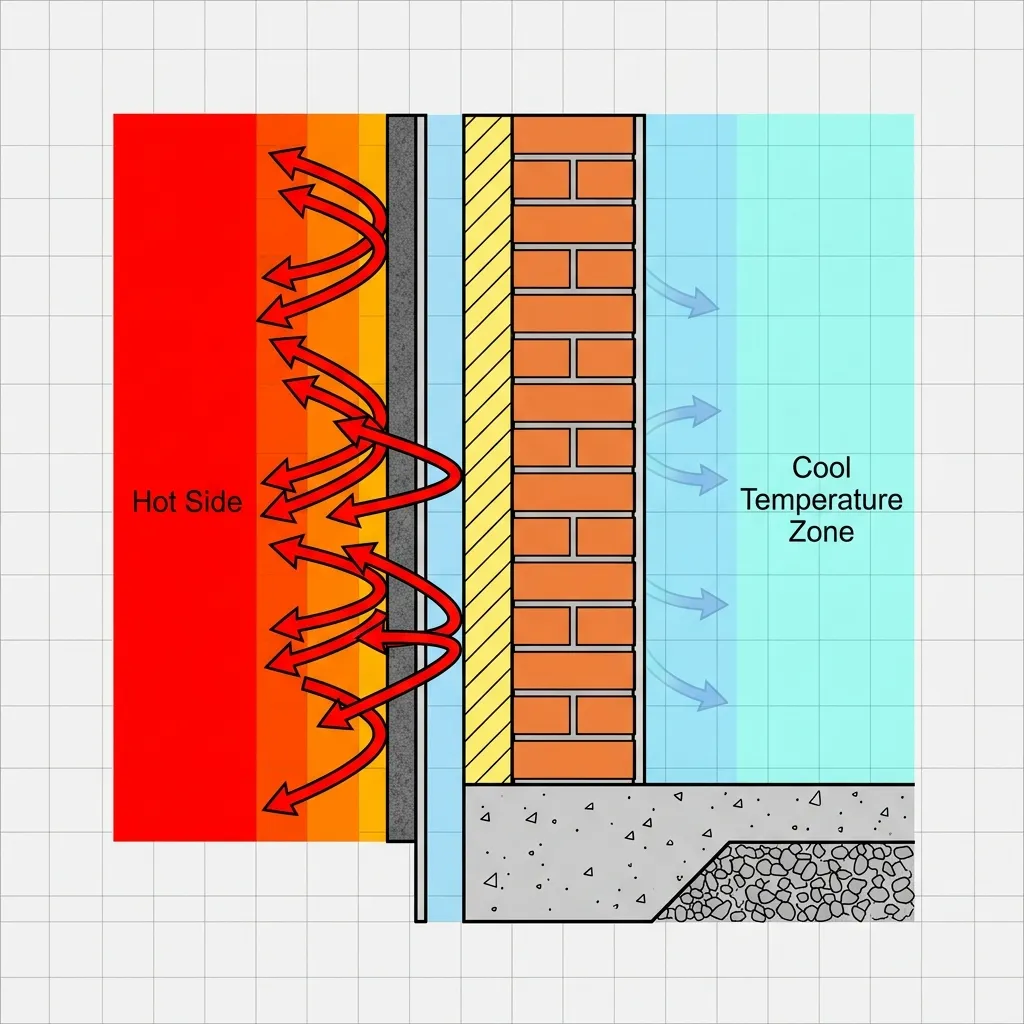
Under standardized fire testing, a wall built with 150mm thick Balaji AAC blocks achieves a 4 hour fire resistance rating. This means the wall can withstand direct exposure to intense heat and flame for 4 hours without letting heat pass through to the other side or suffering structural collapse. This provides occupants with crucial time to evacuate the building, and allows fire fighting crews to control the emergency.
Furthermore, because the material contains zero toxic polymers, it does not release poisonous fumes, smoke, or gases when heated, which is a major design consideration since smoke inhalation causes the majority of fire related casualties.
3. Low Thermal Expansion and Integrity
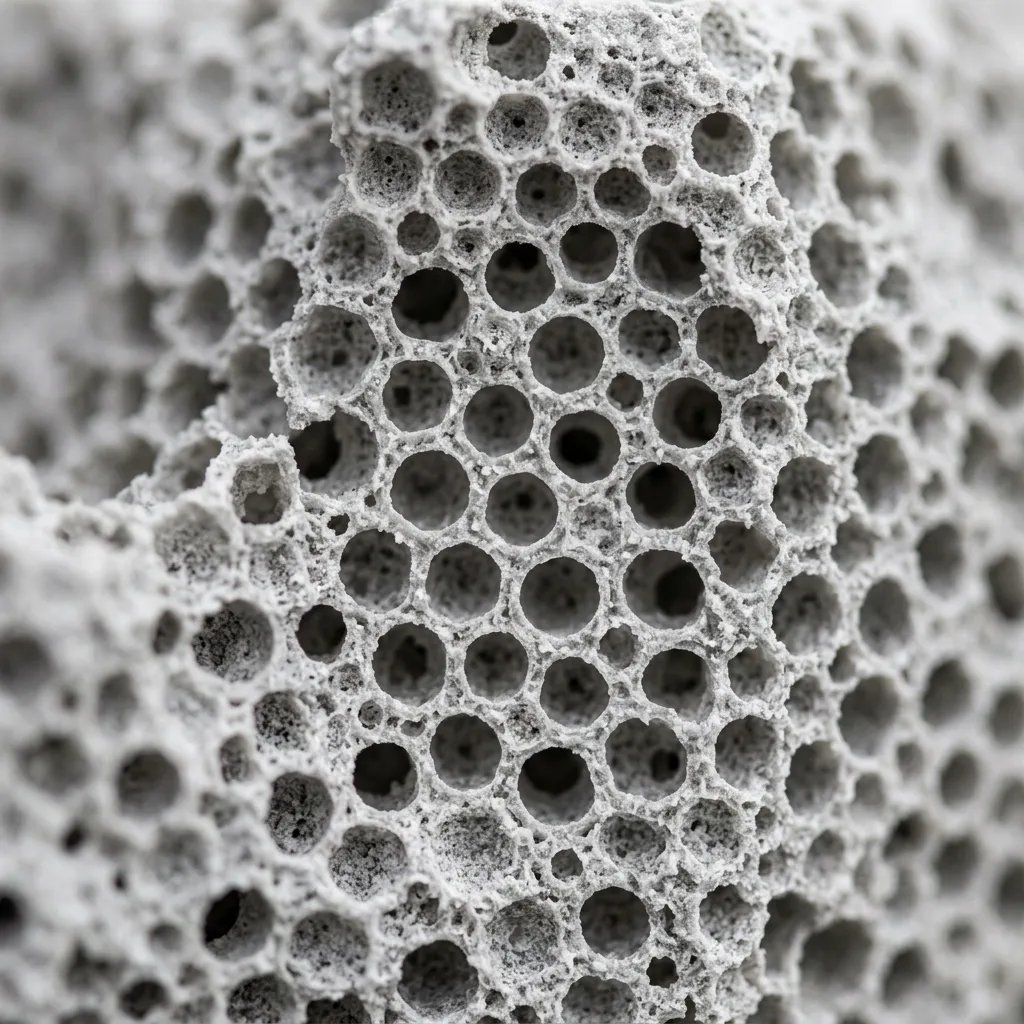
Under rapid thermal expansion cycles, traditional concrete panels or clay bricks can crack due to internal stresses. AAC blocks have a very low coefficient of thermal expansion. The millions of gas micro pockets act as expansion cushions, allowing the block to absorb thermal stresses without cracking or losing wall integrity, keeping the fire barrier intact.
Conclusion: Safety Optimization
For industrial structures, high rise residential complexes, and commercial partition walls, specifying autoclaved concrete as fire resistant wall materials ensures compliance with structural safety codes. Balaji Construction Machines supplies fully automatic plant setups to manufacture blocks that guarantee these strict fire protection parameters. Contact our engineering team for layout and mix design designs.
B2B Turnkey Setup Solutions Across Maharashtra & India
As a leading engineering company based in Satara, Maharashtra, Balaji Construction Machines and Spares delivers automated autoclaved aerated concrete manufacturing plants nationwide. We specialize in layout engineering, site commissioning, and operator training for customers in major industrial zones around Mumbai, Pune, Nagpur, Nashik, and Aurangabad.
Our installation reach covers key construction markets across Indian states like Gujarat, Madhya Pradesh, Karnataka, Telangana, Andhra Pradesh, and Tamil Nadu. Whether you are running a setup cost estimation for a new factory, looking up detailed machinery specifications, or interested in starting a sustainable B2B business, we provide complete engineering support. Contact our sales team to schedule a technical consultation at your site.