Autoclaved Aerated Concrete block properties define the performance and efficiency of modern masonry structures. Originally developed in Europe and now widely adopted across India, these lightweight concrete blocks combine structural integrity with advanced thermal and acoustic insulation capabilities. In this whitepaper, we analyze the mechanical, physical, and thermal specifications of these blocks to guide architects, developers, and civil engineers.
1. Physical Parameters: Density and Dimensions
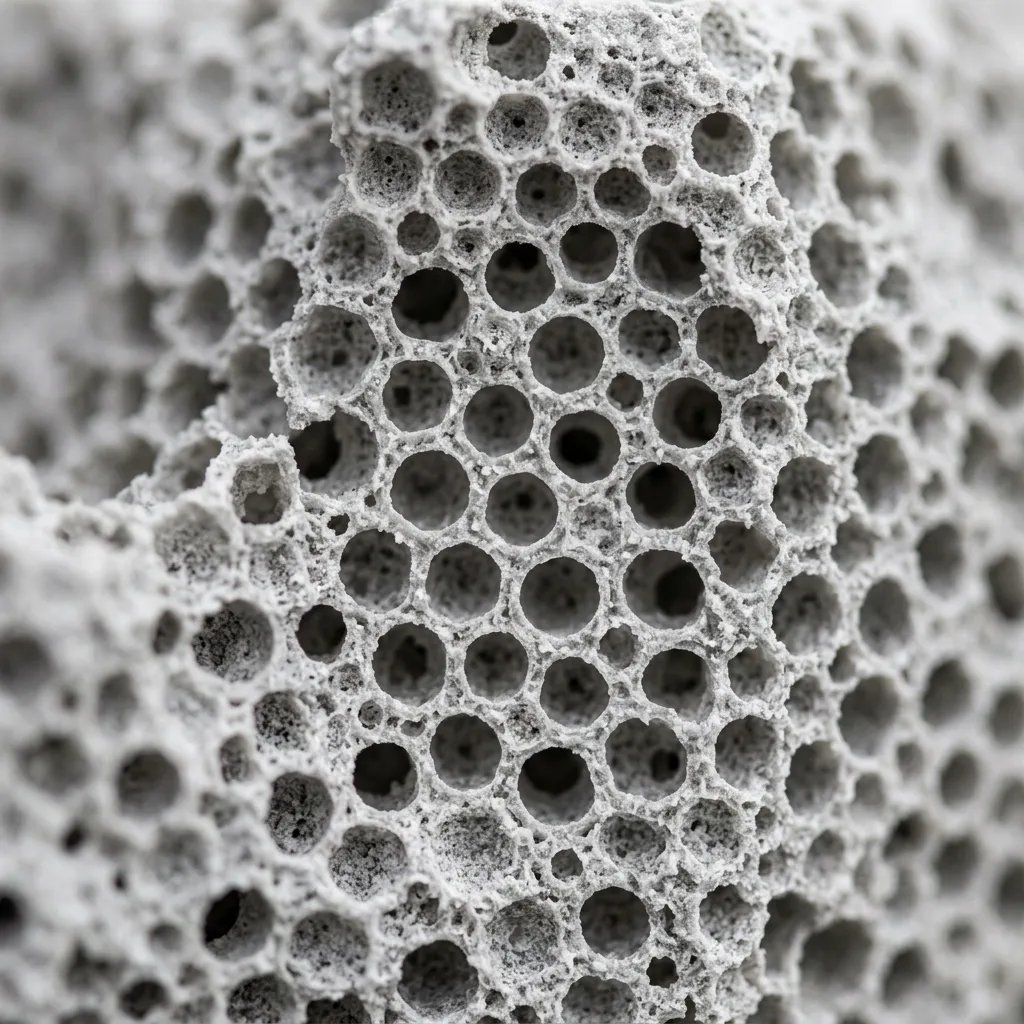
The primary defining property of autoclaved aerated concrete is its cellular structure, which consists of millions of microscopic hydrogen gas pockets. This cellular configuration results in a dry density range of 550 to 650 kilograms per cubic meter. In comparison, traditional clay bricks have a density of 1,800 to 2,000 kilograms per cubic meter. This means the block density is approximately one third of standard bricks, yielding massive reductions in total dead weight configurations.
AAC blocks are produced with high dimensional precision, typically maintaining tolerances within 1.5 millimeters. Standard sizes are 600 millimeters in length, 200 millimeters in height, and thicknesses ranging from 75 to 300 millimeters depending on wall requirements. This dimensional uniformity ensures level joints, minimal mortar wastage, and direct plaster applications.
2. Compressive Strength and Load Capacity
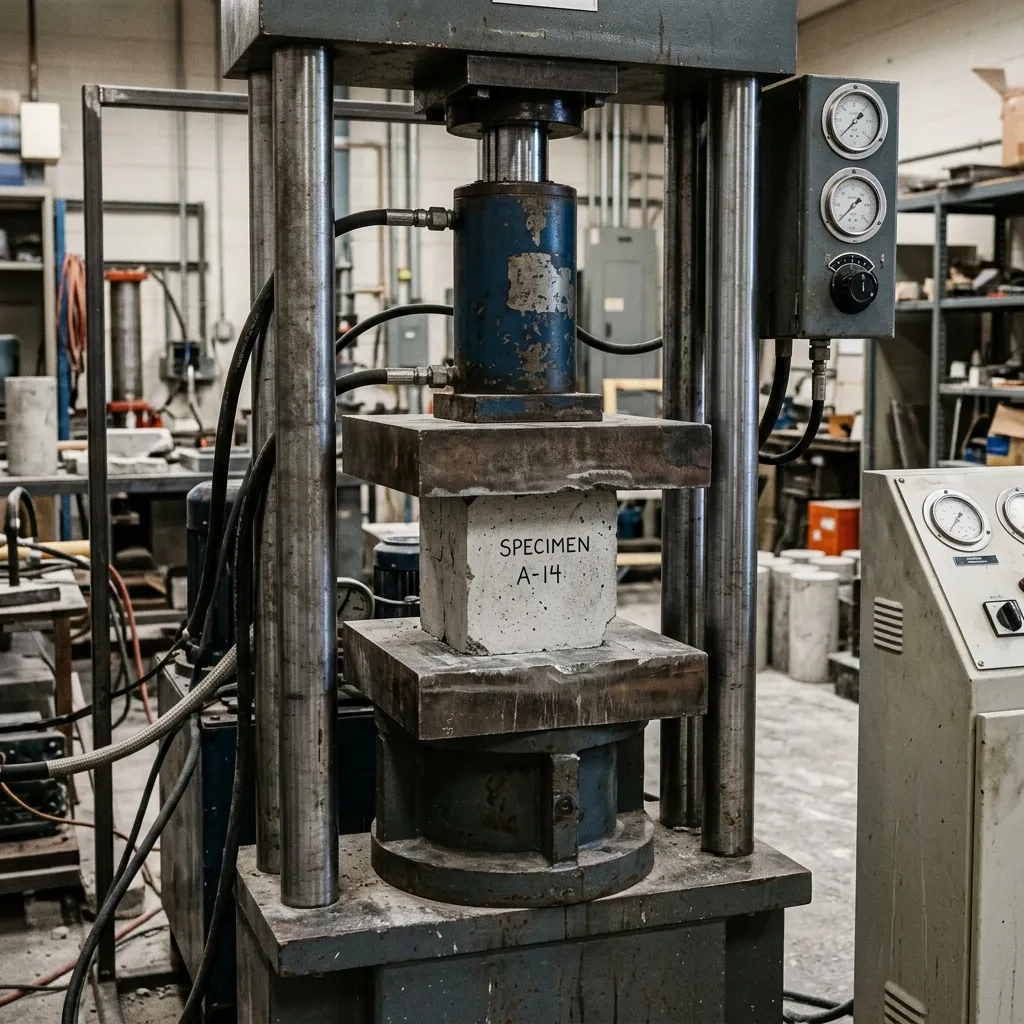
Although the material is highly porous, it achieves excellent load bearing capacity. The compressive strength of Grade I AAC blocks ranges from 3.5 to 4.5 Newtons per square millimeter, complying with Indian standard IS 2185 Part 3 specifications. This strength is achieved through high pressure steam curing at 12 Bar and 190 degrees Celsius, which forms a highly stable crystalline structure called Tobermorite.
3. Insulation and Safety Properties
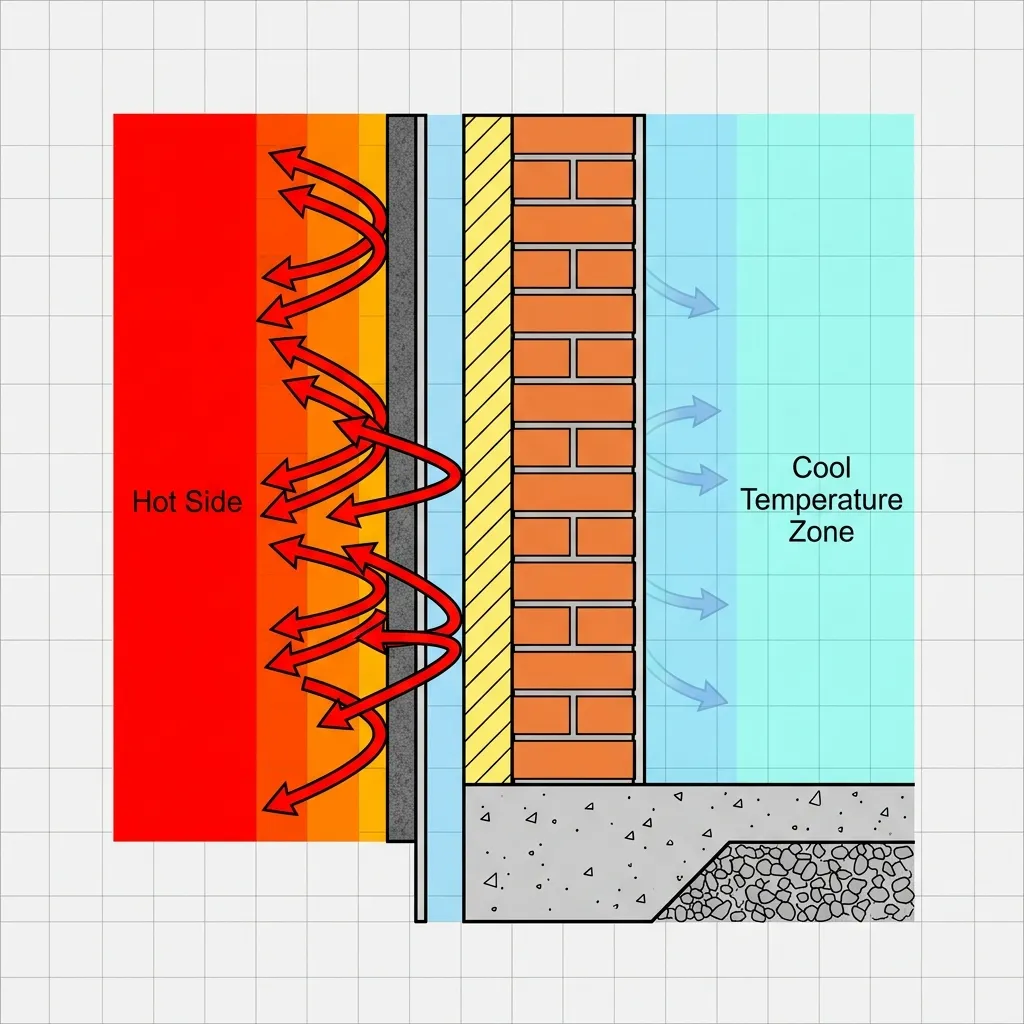
The thermal conductivity of AAC blocks ranges from 0.12 to 0.16 Watts per meter Kelvin, compared to 0.81 Watts per meter Kelvin for red clay bricks. This low conductivity blocks external heat transfer, reducing interior air conditioning loads. Additionally, the porous structure acts as an acoustic damper, achieving a sound transmission class rating of 44 decibels for a 150 millimeter thick wall, providing excellent privacy between rooms.
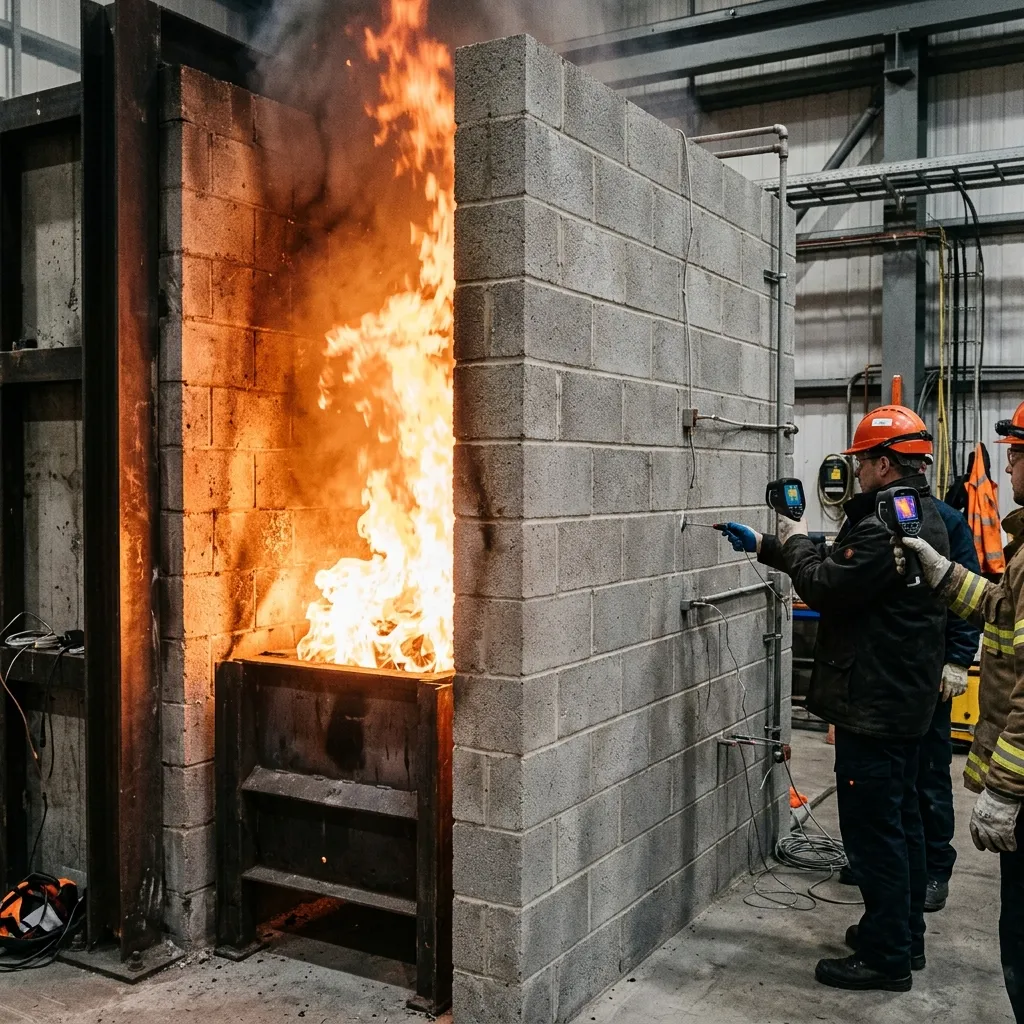
From a fire safety perspective, aerated concrete is non combustible and carries a Class A1 fire rating. A standard wall can withstand direct exposure to fire for up to 4 hours without structural degradation, and does not emit toxic smoke or gases during heating cycles.
Conclusion: Technical Optimizations
For modern projects, selecting materials with optimal engineering specifications is essential. The structural strength, low density, high thermal resistance, and superior acoustic barrier properties of autoclaved concrete blocks make them the ideal replacement for traditional masonry systems. Balaji Construction Machines provides turnkey setup machinery to produce blocks that consistently meet these technical parameters.
B2B Turnkey Setup Solutions Across Maharashtra & India
As a leading engineering company based in Satara, Maharashtra, Balaji Construction Machines and Spares delivers automated autoclaved aerated concrete manufacturing plants nationwide. We specialize in layout engineering, site commissioning, and operator training for customers in major industrial zones around Mumbai, Pune, Nagpur, Nashik, and Aurangabad.
Our installation reach covers key construction markets across Indian states like Gujarat, Madhya Pradesh, Karnataka, Telangana, Andhra Pradesh, and Tamil Nadu. Whether you are running a setup cost estimation for a new factory, looking up detailed machinery specifications, or interested in starting a sustainable B2B business, we provide complete engineering support. Contact our sales team to schedule a technical consultation at your site.