Estimating the mortar consumption for AAC block walls is one of the most critical steps in quantity surveying and civil budget planning. In traditional brick masonry, sand cement mortar joints are thick and consume large volumes of raw materials. In contrast, modern aerated concrete block masonry uses polymer modified thin bed adhesives. In this guide, we analyze the math behind mortar consumption to show how thin jointing optimizes construction costs.
1. The Problem with Traditional Sand Cement Mortar
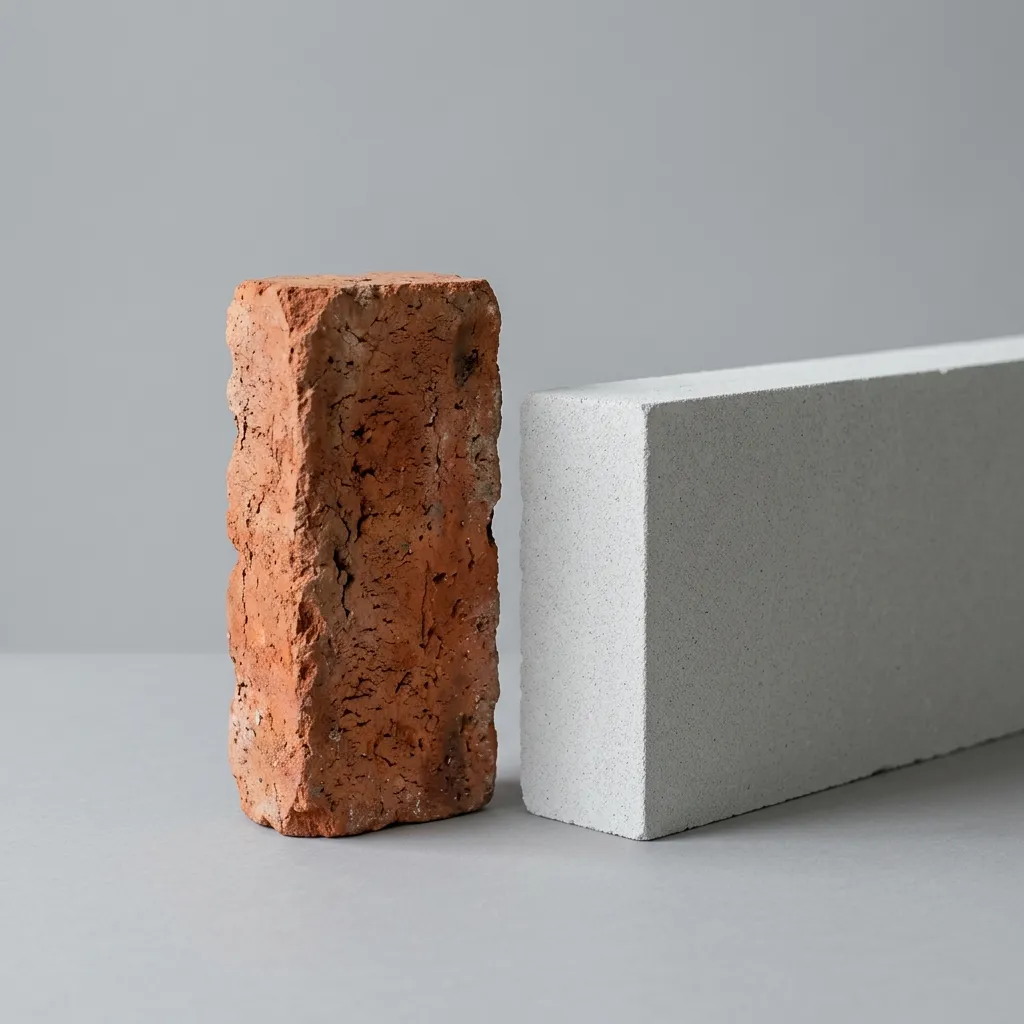
Traditional red clay bricks feature substantial surface irregularities, requiring a joint thickness of 10 to 15 millimeters to level the masonry. This thick joint requires a high volume of wet mortar, typically formulated at a one to four ratio of cement to sand. This sand cement mortar consumption averages 180 to 200 kilograms per cubic meter of brickwork.
Additionally, thick mortar joints act as thermal bridges, permitting outdoor heat to bypass the bricks and enter the building. Thick joints also require on site water curing for at least seven days, adding to project timelines and labor costs.
2. The Solution: Polymer Modified Thin Bed Adhesives
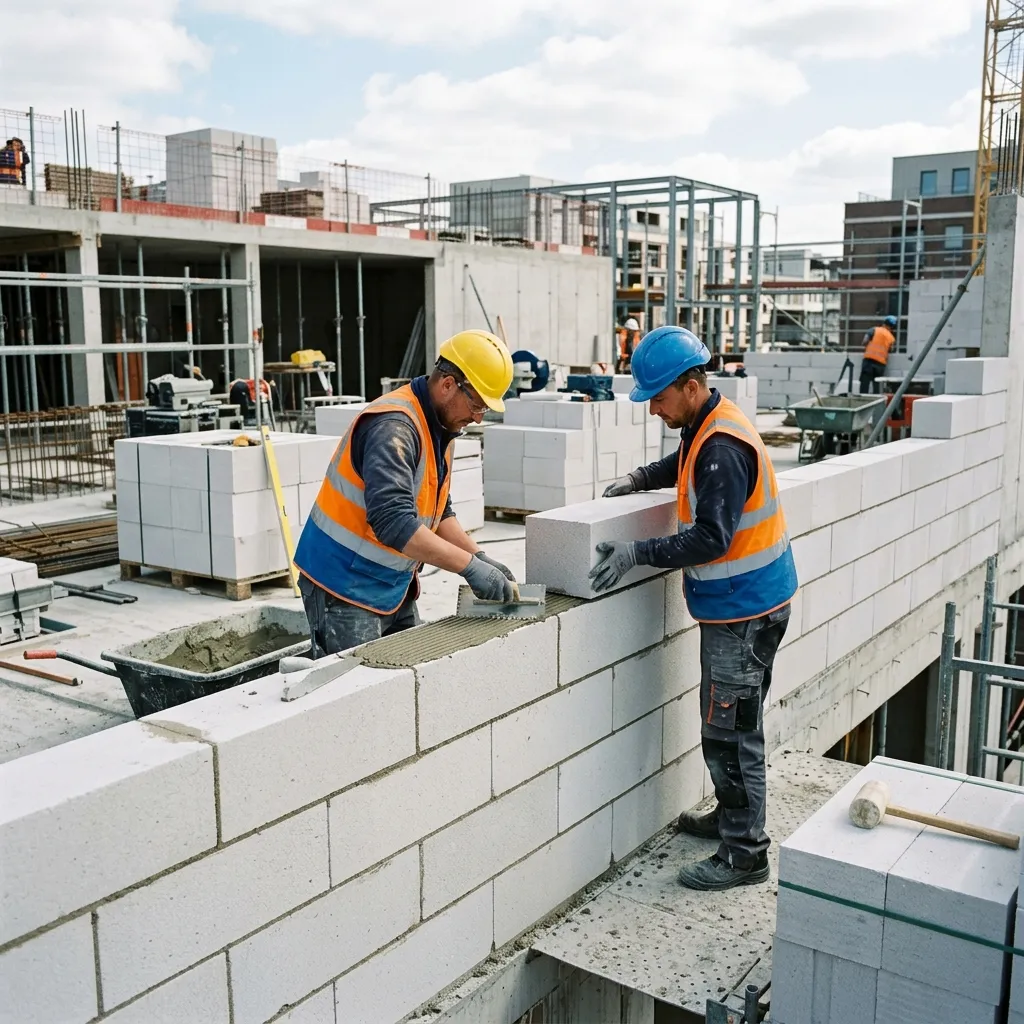
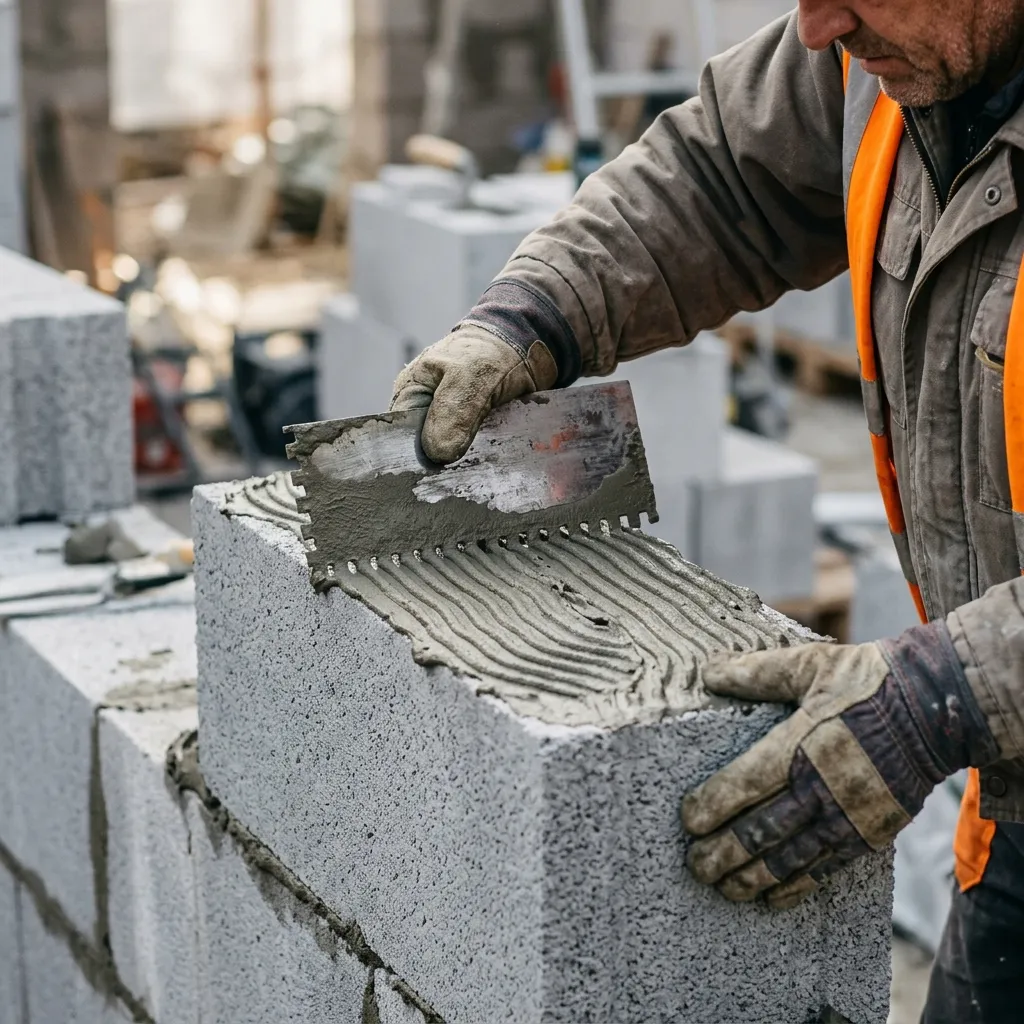
Because Balaji AAC blocks are manufactured with high dimensional precision (maintaining tolerances within 1.5mm), they do not require thick mortar beds for leveling. Masons lay the blocks using a 2mm to 3mm thick joint, applied with a square notched trowel. Thin bed adhesive consists of Portland cement, fine graded sand, and water retaining polymers.
This thin jointing reduces total mortar consumption by eighty percent compared to traditional methods. On average, only 3.5 to 4.5 kilograms of dry thin bed adhesive is required per square meter of a 150mm thick block wall, which equates to approximately 25 to 30 kilograms of dry powder per cubic meter of block masonry.
3. Mathematical Estimation and Material Cost Savings
For a standard construction project requiring 1,000 cubic meters of masonry, traditional clay brick walls consume approximately 180 tons of cement and sand. The same wall volume built with AAC blocks requires only 28 tons of thin bed adhesive powder. This massive reduction in material weight yields cascading savings: lower truck transport logistics, reduced storage space requirements, and faster material handling on site.
Conclusion: Technical Verdict
Calculating the mortar consumption for AAC block walls proves that switching to thin bed adhesive systems reduces material volume, accelerates project speed, and eliminates thermal bridging. Balaji Construction Machines designs and supplies turnkey manufacturing setups to help regional builders transition to these high efficiency building methods.
B2B Turnkey Setup Solutions Across Maharashtra & India
As a leading engineering company based in Satara, Maharashtra, Balaji Construction Machines and Spares delivers automated autoclaved aerated concrete manufacturing plants nationwide. We specialize in layout engineering, site commissioning, and operator training for customers in major industrial zones around Mumbai, Pune, Nagpur, Nashik, and Aurangabad.
Our installation reach covers key construction markets across Indian states like Gujarat, Madhya Pradesh, Karnataka, Telangana, Andhra Pradesh, and Tamil Nadu. Whether you are running a setup cost estimation for a new factory, looking up detailed machinery specifications, or interested in starting a sustainable B2B business, we provide complete engineering support. Contact our sales team to schedule a technical consultation at your site.