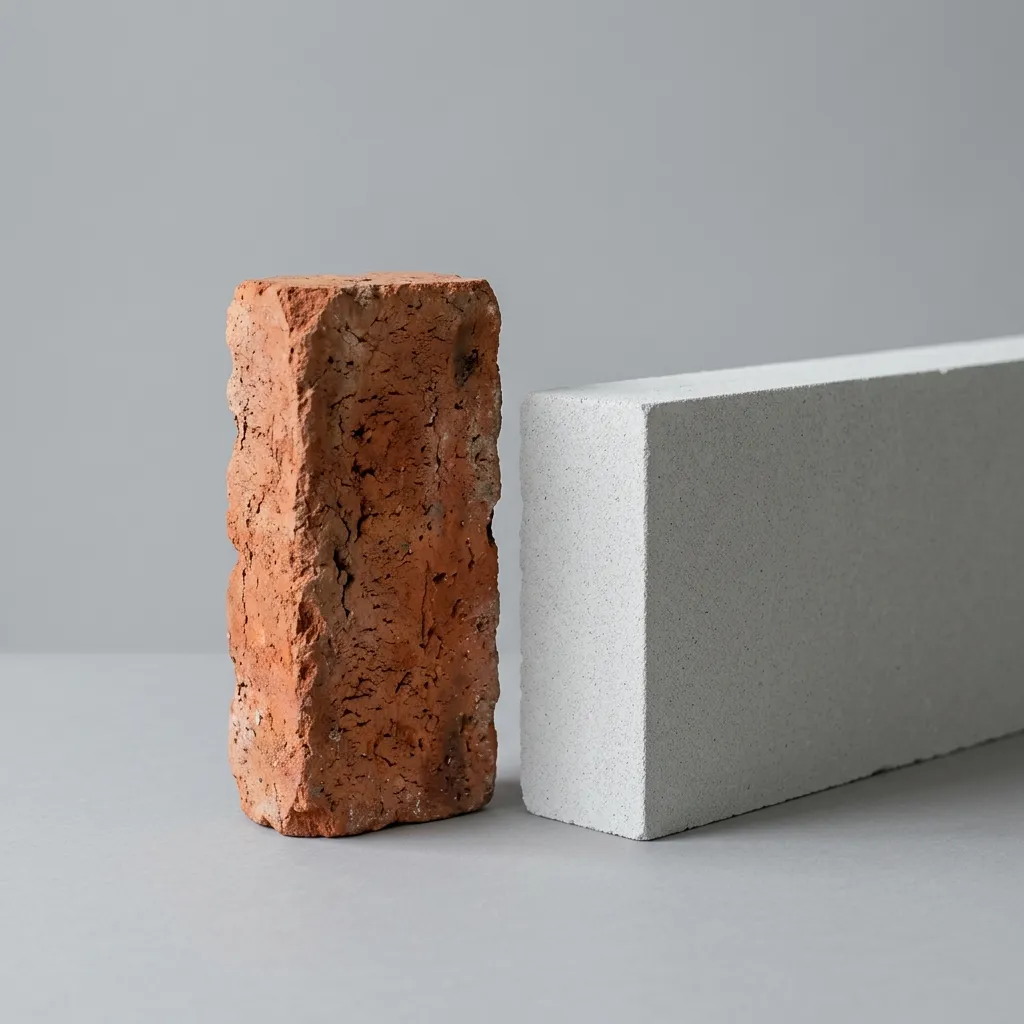

An in depth AAC block vs red clay brick comparison is essential for developers, structural engineers, and contractors trying to optimize building weight, thermal performance, and construction costs. While red clay bricks have been the traditional walling material for centuries in India, modern autoclaved concrete blocks offer a technically superior, eco friendly alternative. Let us examine the technical parameters that differentiate these materials.
| Technical Parameter | Traditional Red Clay Bricks | Balaji AAC Blocks | Engineering Difference |
|---|---|---|---|
| Dry density range | 1,800 to 2,000 kg/m³ | 550 to 650 kg/m³ | AAC blocks are two thirds lighter, reducing foundation load requirements. |
| Compressive strength uniformity | 3.0 to 3.5 N/mm² (highly variable) | 3.5 to 4.5 N/mm² (consistent Grade I) | Provides uniform load bearing capacity and reduces cracks. |
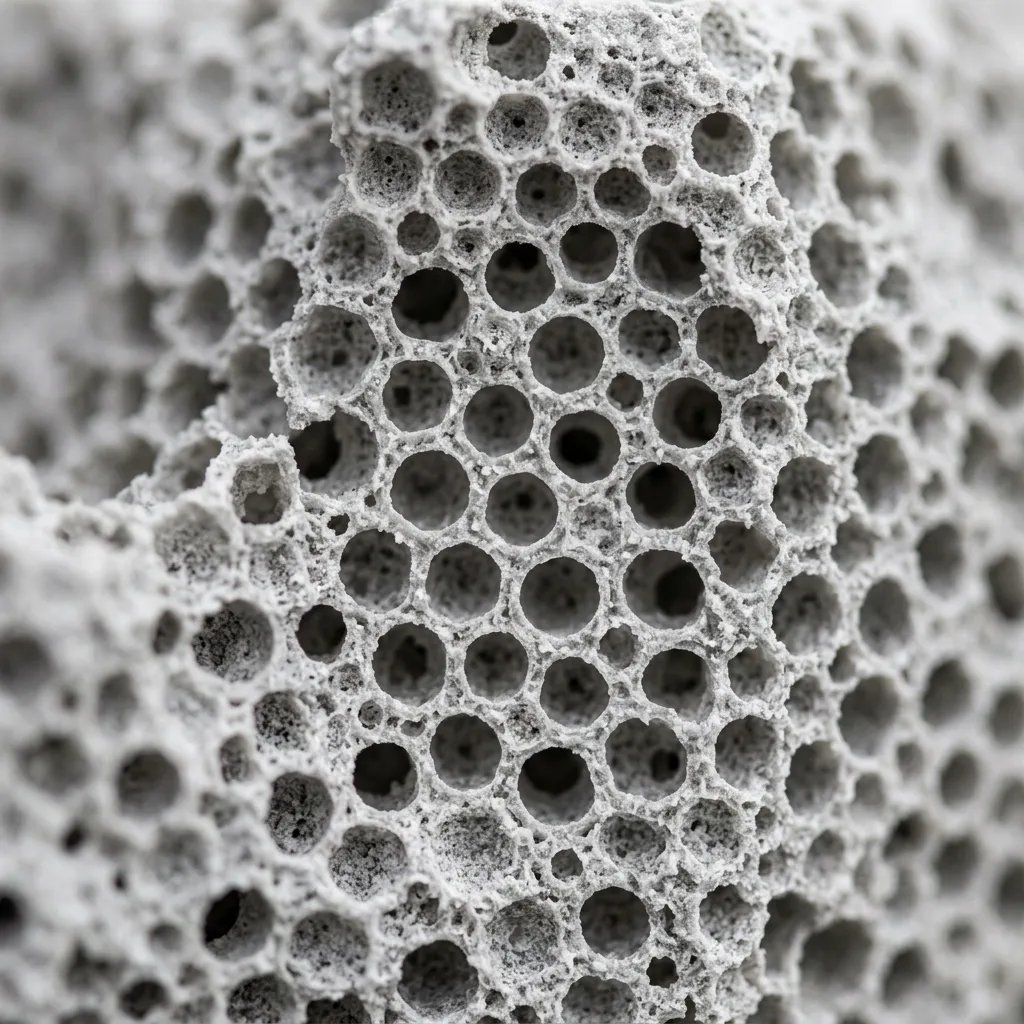
| Thermal conductivity K value | 0.81 W/m·K | 0.12 to 0.16 W/m·K | AAC provides up to 6 times better thermal insulation. |
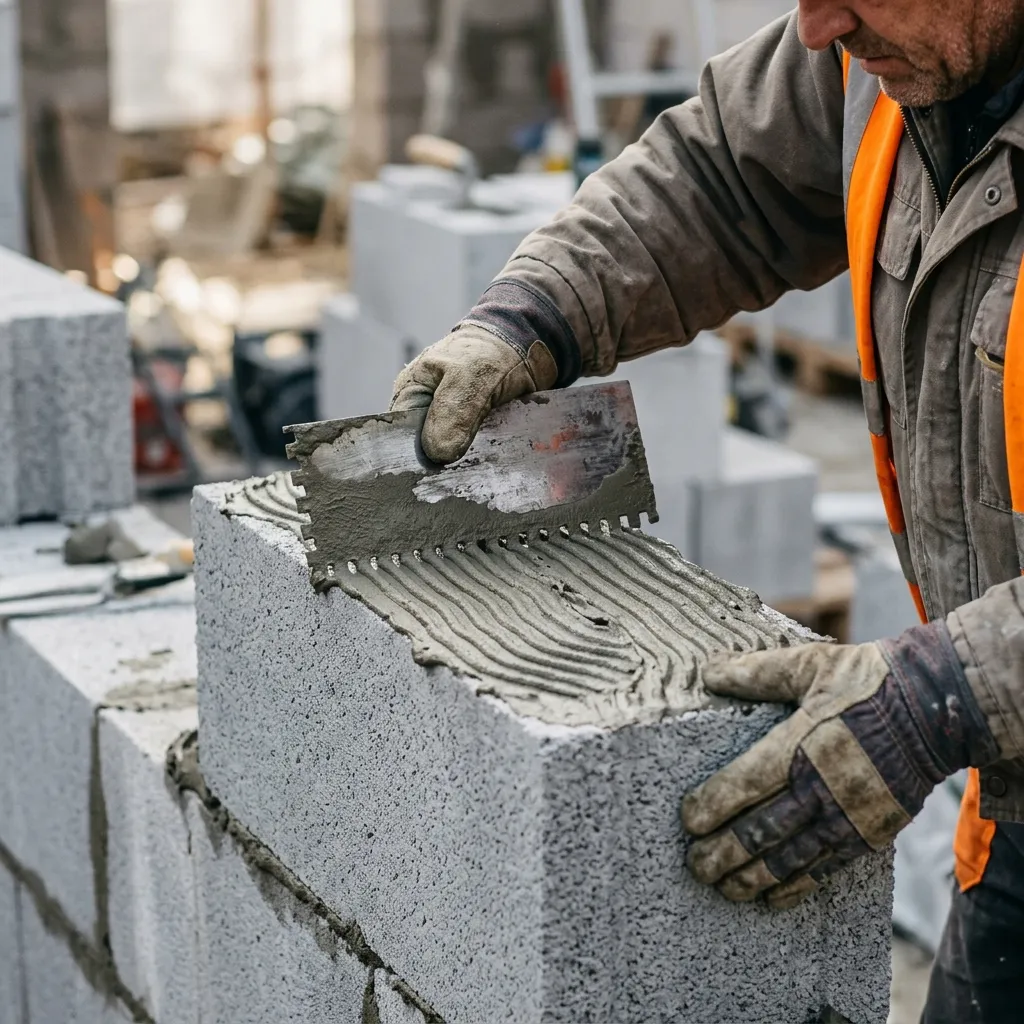
| Mortar joint thickness | 10 to 15 mm | 2 to 3 mm (thin bed adhesive) | Reduces joint volume by 80%, eliminating thermal bridging. |
| Construction speed rating | Standard rate, high piece handling | Three times faster installation rate | One AAC block replaces nine standard clay bricks. |
1. Structural Weight and RCC Savings
The dry density of traditional red clay bricks ranges from 1,800 to 2,000 kilograms per cubic meter. In contrast, Balaji AAC blocks have a dry density of 550 to 650 kilograms per cubic meter. Because AAC blocks are approximately one third of the weight of clay bricks, using them in multi story towers reduces overall dead load by thirty percent. This weight reduction allows structural designers to save fifteen to twenty percent on beam and column steel reinforcements, and up to ten percent on foundation concrete volumes.
2. Compressive Strength and Uniformity
Clay bricks are fired in traditional kilns, leading to massive variation in strength (ranging from 3.0 to 3.5 Newtons per square millimeter). AAC blocks are cured in automated high pressure steam autoclaves, yielding a consistent compressive strength of 3.5 to 4.5 Newtons per square millimeter, fully complying with IS 2185 Part 3 specifications. This dimensional and physical uniformity eliminates localized stress concentrations and wall cracking.
3. Insulation and Laying Efficiency
With a K value of 0.12 to 0.16 Watts per meter Kelvin, AAC blocks are six times more insulating than clay bricks, reducing cooling electricity bills by 25%. Furthermore, laying AAC blocks requires a 2mm thin bed polymer adhesive instead of a 12mm thick sand cement mortar joint, saving eighty percent on mortar consumption and eliminating the need for curing water on site.
Conclusion: The Structural Verdict
The technical data highlights that replacing traditional red clay bricks with autoclaved aerated concrete blocks optimizes structural frames, speeds up construction schedules, and delivers superior thermal envelopes. Balaji Construction Machines designs and supplies automated manufacturing setups that enable regional producers to manufacture high quality blocks to meet this massive demand.
B2B Turnkey Setup Solutions Across Maharashtra & India
As a leading engineering company based in Satara, Maharashtra, Balaji Construction Machines and Spares delivers automated autoclaved aerated concrete manufacturing plants nationwide. We specialize in layout engineering, site commissioning, and operator training for customers in major industrial zones around Mumbai, Pune, Nagpur, Nashik, and Aurangabad.
Our installation reach covers key construction markets across Indian states like Gujarat, Madhya Pradesh, Karnataka, Telangana, Andhra Pradesh, and Tamil Nadu. Whether you are running a setup cost estimation for a new factory, looking up detailed machinery specifications, or interested in starting a sustainable B2B business, we provide complete engineering support. Contact our sales team to schedule a technical consultation at your site.