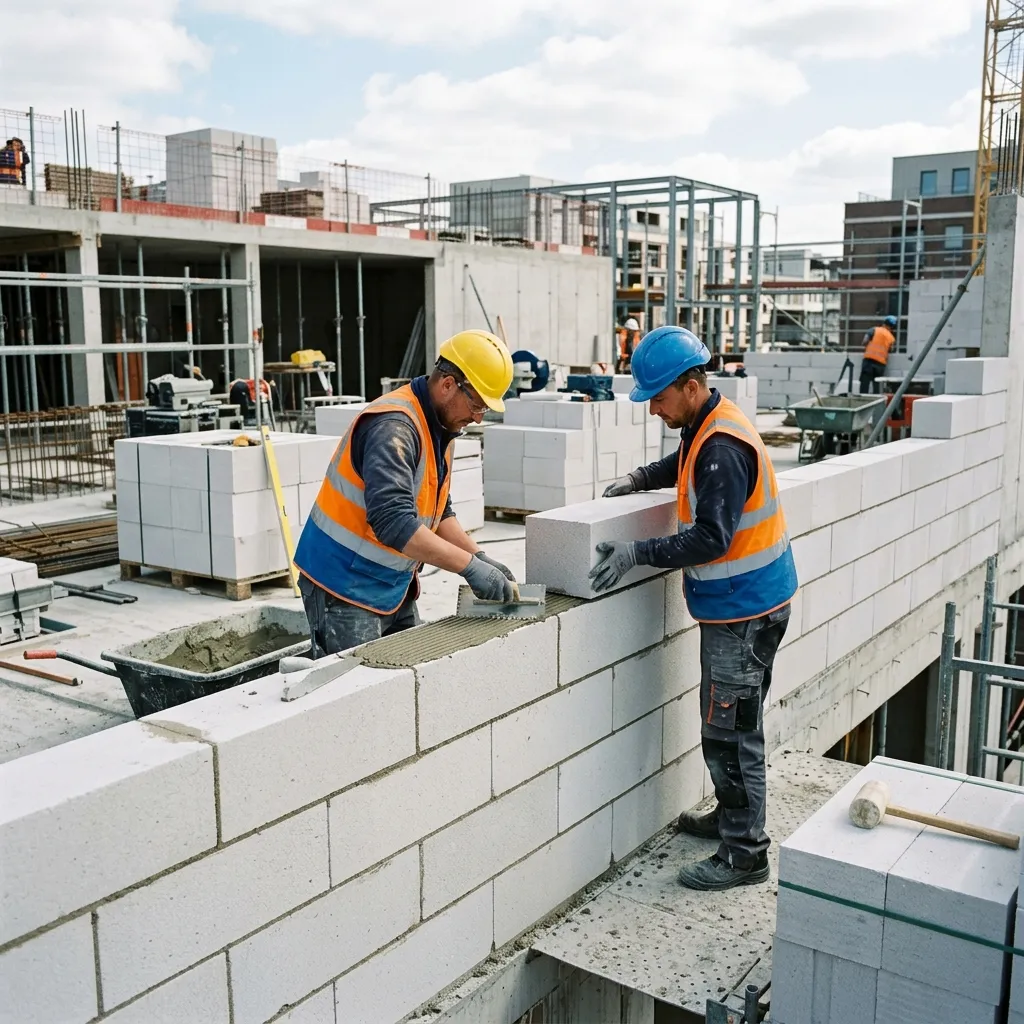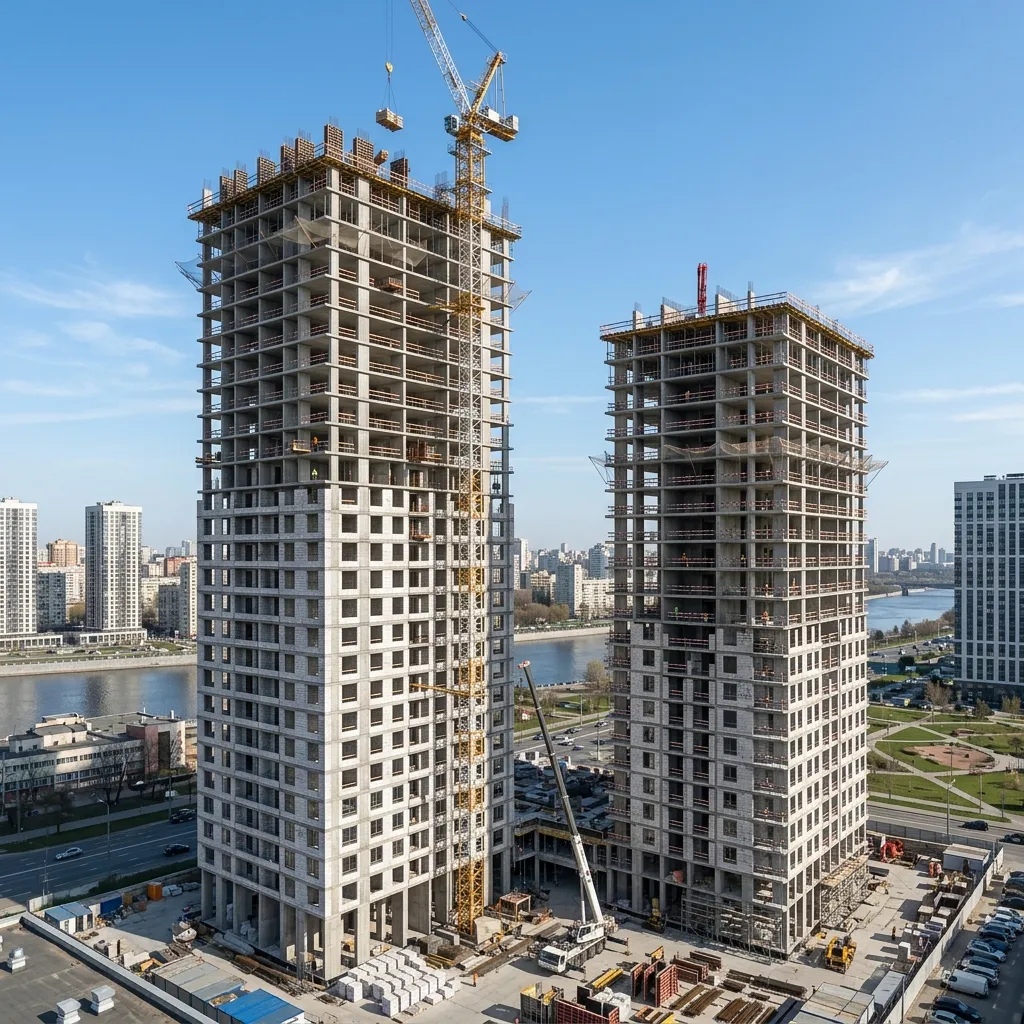
The global construction industry is undergoing an unprecedented transition towards lightweight, sustainable, and energy efficient building materials. Traditional red clay bricks, once the standard for masonry walls, are rapidly being phased out due to environmental regulations, topsoil depletion, and their high carbon footprint. Autoclaved Aerated Concrete (AAC) blocks have emerged as the dominant replacement, providing builders with an optimized ratio of strength, thermal resistance, and structural speed.
For industrial investors, civil developers, and entrepreneurs, setting up an automated AAC block plant represents a high yield, future proof business opportunity. This technical whitepaper delves into the engineering parameters, chemical kinetics, curing thermodynamics, utility configurations, and ROI metrics required to establish and run a profitable AAC manufacturing facility.
1. Understanding the AAC Manufacturing Setup
An AAC block plant is a highly integrated, automated production line that processes mineral raw materials into high precision, porous concrete blocks. Unlike conventional concrete, which relies on dense aggregate packing, AAC contains up to 80% air pores by volume, created through a controlled expansion reaction.
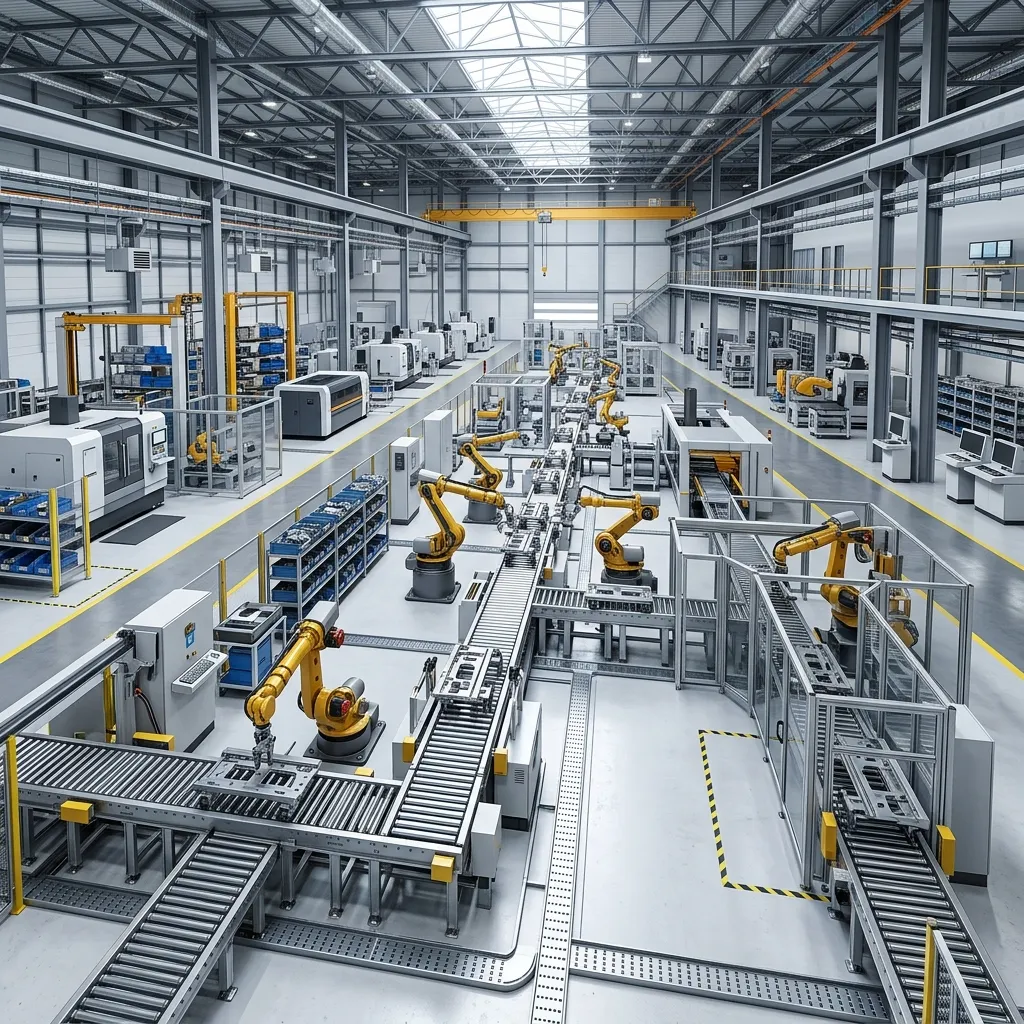
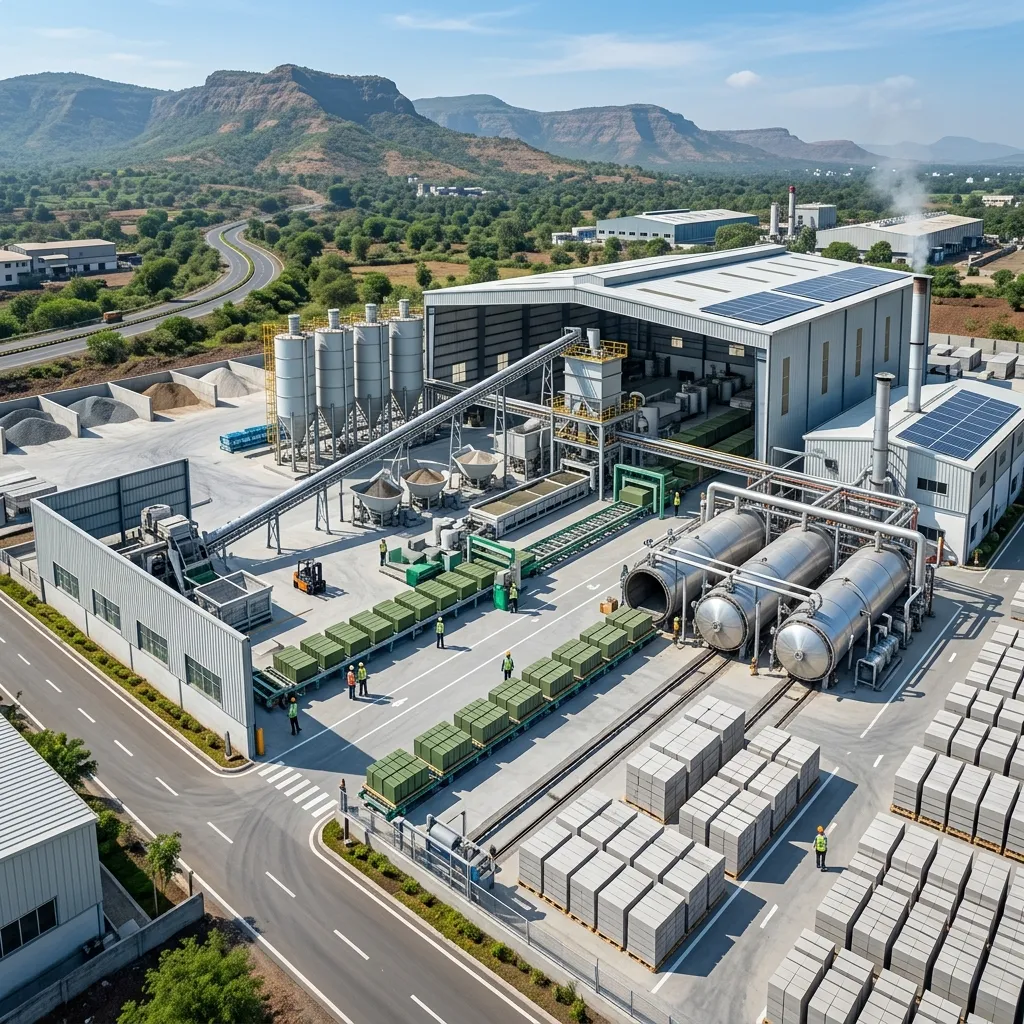
A standard high performance AAC plant comprises several critical engineering divisions: batching and weighing systems, dry powder silos, slurry preparation ball mills, planetary casting mixers, horizontal and vertical wire cutting systems, and hydrothermal autoclaves. The operational efficiency of the plant is determined by how seamlessly these divisions communicate via a centralized PLC panel.
2. The Chemistry of Aeration and Expansion
The defining characteristic of AAC is its cellular structure, which is achieved through a gas forming chemical reaction. When the raw materials (fly ash or quartz sand, Ordinary Portland Cement (OPC), quicklime (CaO), gypsum (calcium sulfate dihydrate), and water) are blended, they form an alkaline slurry with a pH value between 12 and 13.
At this stage, a minute quantity of finely ground aluminum powder (ranging from 0.05% to 0.08% of dry weight) is added. In the highly alkaline environment created by the hydration of cement and lime, aluminum reacts with calcium hydroxide to release hydrogen gas. The chemical reaction is represented as follows:
The released hydrogen gas forms millions of micro bubbles (ranging from 1mm to 3mm in diameter) within the casting mold, causing the slurry to rise to approximately double its original volume. After the expansion is complete, the hydrogen gas escapes into the atmosphere and is replaced by ambient air. The green cake is then allowed to pre cure for 2 to 3 hours at 40°C to 45°C, during which it achieves sufficient stiffness to be cut by high tensile steel wires.
3. Hydrothermal Curing: Tobermorite Crystal Formation
The mechanical strength of AAC blocks is not developed through ambient hydration like standard concrete. Instead, it is synthesized under high pressure saturated steam inside an autoclave. The autoclaving process induces a hydrothermal reaction between calcium oxide (from lime and cement) and silicon dioxide (from fly ash or sand).
At a saturated steam pressure of 12 Bar (1.2 MPa) and a corresponding temperature of approximately 190°C, the calcium silicate hydrates (C S H) transform into a crystalline phase known as Tobermorite. The chemical formula for this crystallization process is:
This Tobermorite crystal structure is responsible for the unique properties of AAC. It gives the block its high compressive strength (typically 3.0 to 4.5 N/mm²) while maintaining an exceptionally low dry bulk density of 550 to 650 kg/m³. If the steam pressure or temperature drops below these critical thresholds during the cycle, the hydration products remain amorphous, resulting in weak blocks prone to high shrinkage and structural cracking.
4. Technical Specifications & Utility Configurations
To ensure high operational uptime and consistent block quality, the plant utilities must be engineered to match the daily volumetric output of the casting line. Below is the capacity and utility parameter configuration matrix for modular automated AAC plants designed by Balaji Machines:
| Plant Specifications | 18 CuM / Day | 36 CuM / Day | 54 CuM / Day | 72 CuM / Day |
|---|---|---|---|---|
| Autoclave Configuration | 1 Unit (1.5m × 15m) | 1 Unit (2.0m × 21m) | 2 Units (2.0m × 21m) or 1 Unit (2.0m × 31m) | 2 Units (2.0m × 31m) |
| Steam Boiler Capacity | 1.0 Ton / Hour (10-12 Bar) | 1.5 Ton / Hour (12 Bar) | 2.0 Ton / Hour (12 Bar) | 2.0 to 3.0 Ton / Hour (12 Bar) |
| Connected Electrical Power | 45 kW (approx. 60 HP) | 60 kW (approx. 80 HP) | 75 kW (approx. 100 HP) | 90 kW (approx. 120 HP) |
| Minimum Land Area | 1.0 to 1.2 Acres | 1.2 to 1.5 Acres | 1.8 to 2.0 Acres | 2.0 to 2.5 Acres |
| Heavy Duty Molds Count | 12 - 16 Molds | 16 - 24 Molds | 24 - 36 Molds | 36 - 48 Molds |
The standard autoclaving cycle duration is 12 hours, consisting of three main phases: a 2-hour preheating phase to raise the internal vessel temperature, an 8-hour curing phase under constant 12 Bar steam pressure, and a 2-hour controlled depressurization phase to prevent thermal shock in the blocks. Saturated steam is supplied by a high efficiency biomass fired or coal fired steam boiler equipped with automatic heat recovery exchangers.
5. Capital Cost & Project ROI Analysis
A B2B capital investment in an AAC block plant requires a detailed feasibility model. The cost of production per cubic meter (CuM) of AAC blocks is highly dependent on local raw material availability, fuel costs, and labor rates. However, using standard Indian MIDC industrial benchmarks calibrated directly to Balaji Machines' default calculator recipe parameters, a typical cost benefit breakdown can be established:
B2B Feasibility Metric: For a typical 150,000 CuM per annum plant running at 80% capacity utilization, the average cost of production is approximately ₹2,398 per CuM for fly ash mixes. When sold to commercial builders at current market rates of ₹2,800 to ₹3,200 per CuM, the operating margin remains highly lucrative.
| Cost Category (Per Cubic Meter of Block) | Fly Ash Mix Cost (INR / CuM) | Sand Mix Cost (INR / CuM) |
|---|---|---|
| Raw Materials (Cement, Lime, Fly Ash/Sand, Gypsum, Al) | ₹1,833.50 | ₹2,033.50 |
| Boiler Fuel (Coal, Briquette, Husk for Steam) | ₹225.88 | ₹250.00 |
| Electrical Power & Water Utilities | ₹36.38 | ₹50.00 |
| Direct & Indirect Plant Labor | ₹137.60 | ₹150.00 |
| Overheads & Miscellaneous Overheads | ₹165.00 | ₹175.00 |
| Total Operating Cost (OPEX) | ₹2,398.36 / CuM | ₹2,658.50 / CuM |
Due to the utilization of industrial by products like fly ash (which is often supplied at low cost by thermal power stations), fly ash based AAC plants offer a shorter payback period. Under typical project financing structures (70:30 debt to equity), the initial capital expenditure (CAPEX) for the plant machinery, boiler house, and curing yard is fully recovered within 24 to 30 months of commercial commissioning.
6. Driving Plant Profitability
The profitability of an AAC plant is governed by three primary operational variables:
- Dosage Accuracy: Minor errors in cement or lime dosing can lead to green cake collapse during expansion, resulting in waste recycle costs. High precision load cells are required on all batching hoppers.
- Steam Heat Recovery: Autoclave systems should be piped with flash steam condensers and blowdown heat recovery units to recycle exhaust steam from one autoclave to preheat a sibling autoclave. This reduces boiler fuel usage by up to 20%.
- Slurry Recycling: The crust cut off during the green cutting phase contains active hydrates. An efficient plant design returns this cutting waste directly to a slurry holding tank, recycling 100% of waste material back into the casting mixer.
By implementing automated PLC controls, optimized batching proportions, and thermal heat loop recycling, Balaji Machines helps plants achieve maximum material yields, minimum fuel consumption, and consistent block quality that meets IS 2185 (Part 3) standards.
B2B Turnkey Setup Solutions Across Maharashtra & India
As a leading engineering company based in Satara, Maharashtra, Balaji Construction Machines and Spares delivers automated autoclaved aerated concrete manufacturing plants nationwide. We specialize in layout engineering, site commissioning, and operator training for customers in major industrial zones around Mumbai, Pune, Nagpur, Nashik, and Aurangabad.
Our installation reach covers key construction markets across Indian states like Gujarat, Madhya Pradesh, Karnataka, Telangana, Andhra Pradesh, and Tamil Nadu. Whether you are running a setup cost estimation for a new factory, looking up detailed machinery specifications, or interested in starting a sustainable B2B business, we provide complete engineering support. Contact our sales team to schedule a technical consultation at your site.